
Reconciliation & Treaty Relationships
with Carole Blackburn
Dr. Carole Blackburn’s talk will explore the legal, political and cultural consequences of treaty making in Canada. While the recent report of the Truth and Reconciliation Commission on Indian Residential Schools identifies the treaty relationship as key to meaningful reconciliation, First Nations treaty signatories have very different ideas about how and why a treaty can reconcile their relationship with Canada than do the federal and provincial governments. For most Indigenous people treaties are a sacred covenant and that should create relationships of mutual respect and obligations between treaty partners. This is only possible, however, when they are implemented beyond a limited, contractual understanding of rights obligations.
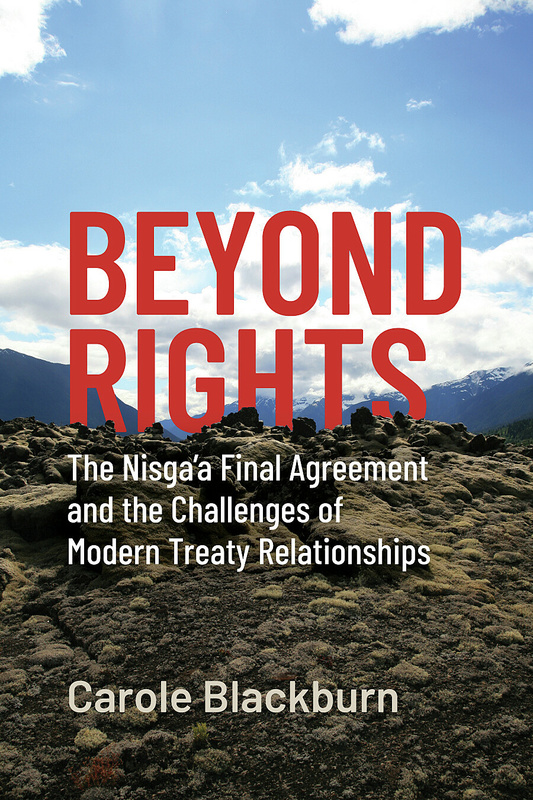
Carole Blackburn
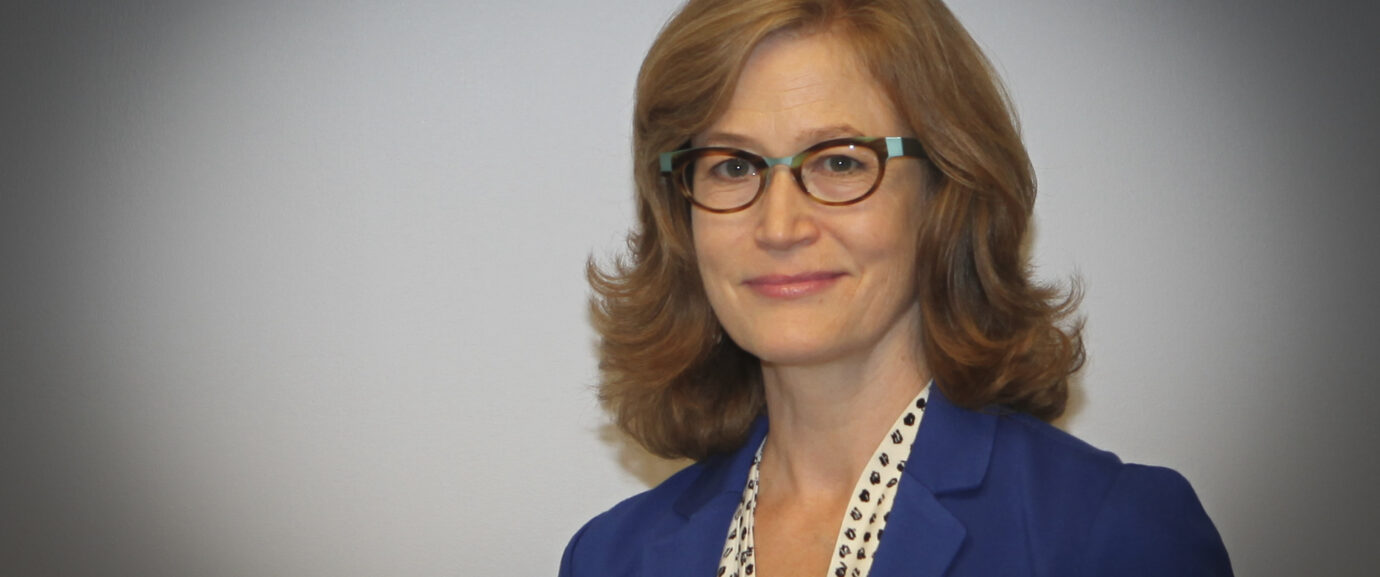 Dr. Carole Blackburn is an anthropologist interested in the evolving dimensions of Indigenous rights in Canada. She earned her PhD in Anthropology from Stanford University and was a Research Associate for the Royal Commission on Aboriginal Peoples. Her work lies at the intersection of a number of disciplinary trajectories, including socio-legal studies, Indigenous studies and transitional justice. Dr. Blackburn is particularly concerned with if and how treaty making in Canada can be a mechanism of reconciliation. Presently it is not. While the Truth and Reconciliation Commission on Indian Residential Schools identifies the treaty relationship as key to meaningful reconciliation, Carole explores the challenges faced by First Nations whose ideas about how and why a treaty can reconcile their relationship with the state are quite different from those reflected in government policy.