
How do Indigenous teachings, stories, and laws rooted upon the Lands we share point toward different possibilities for governance, kinship, and coexistence?
with Kiera Ladner
As we close our year-long study of Resurgence and Reconciliation: Indigenous–Settler Relations and Earth Teachings, this final gathering invites us to pause, reflect, and look forward—carefully.
Guided by the insights of Kiera Ladner’s concluding chapter, “Proceed with Caution: Reflections on Resurgence and Reconciliation,” this session brings the TRC#57 hosts together to reflect on what we have learned over the past year, and what remains unfinished. Ladner reminds us that reconciliation is not a destination, a policy achievement, or a symbolic gesture. It is an ongoing process of being and becoming—one that demands responsibility, remembrance, and transformative change rather than convergence or assimilation.
This closing conversation asks us to sit with the hard questions raised throughout the series:
- What does it mean to live together in a mutually agreeable and mutually beneficial way on Indigenous lands?
- Why does meaningful reconciliation require unsettling national myths and confronting uncomfortable histories?
- What responsibilities do individuals, communities, and institutions carry in sustaining just relationships—now and into the future?
- And how do Indigenous teachings, stories, and laws grounded in the land point toward different possibilities for governance, kinship, and coexistence?
Rather than offering final answers, this session creates space for collective reflection. It invites our audience to consider how the teachings shared throughout Season 6 might be carried forward—into your daily life, community work, and long-term commitments.
This closing gathering is not an ending, but a moment of orientation: an invitation to proceed with care, humility, and intention as we continue the shared work of living well together.
Use the code Resurgence2026 to get 20% off your purchase through University of Toronto Press, plus, get free shipping on orders over $40

Edited by Michael Asch, John Borrows and James Tully
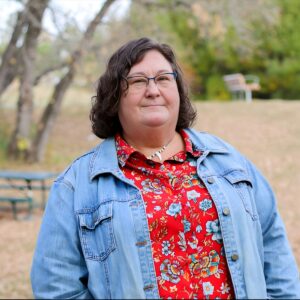 Dr. Kiera Ladner is Canada Research Chair in Miyo we’citowin, Indigenous Governance and Digital Sovereignties and an Associate Professor in the Department of Political Studies at the University of Manitoba. Her work focuses on Indigenous governance, treaty constitutionalism, and the political relationships between Indigenous nations and the Canadian state.
Working across political science, law, and Indigenous studies, Dr. Ladner’s scholarship examines how Indigenous nations continue to renew their own political traditions and governance systems despite the ongoing constraints of colonial institutions. Her work invites careful reflection on self-determination, resurgence, and the responsibilities that arise when multiple legal and political orders coexist on the same lands.
Dr. Ladner is the founder of Mamawipawin, a collaborative research initiative that works alongside Indigenous communities to support community-driven research and governance renewal. Through this work, she emphasizes relational accountability, community knowledge, and governance practices grounded in lived experience.
She has co-edited several influential collections, including This Is an Honour Song: Twenty Years Since the Blockades(with Leanne Betasamosake Simpson) and Surviving Canada: Indigenous Peoples Celebrate 150 Years of Betrayal (with Myra J. Tait).
Through her research, teaching, and community partnerships, Dr. Ladner contributes to ongoing conversations about Indigenous resurgence and the possibilities for political relationships rooted in responsibility, reciprocity, and respectful coexistence on these lands.