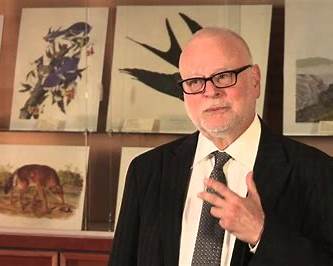





Topic:What if the future of reconciliation depends on how we understand the treaties made at the very moment Canada came into being?
with Dr. Michael AschWebinar Date: March 25, 2026 / 12-1pm PT
In this informative conversation, Dr. Michael Asch invites our audience to reconsider the significance of the treaties negotiated around Confederation—not as relics of the past, but as living agreements that continue to shape the legitimacy of Canada’s presence on these lands. Drawing from his chapter “Confederation Treaties and Reconciliation: Stepping Back into the Future,” Asch reflects on what settlers agreed to when they were granted permission to settle, and what responsibilities flow from those agreements today.
Rather than asking what reconciliation might look like in the abstract, this session turns our attention to history, consent, and obligation:
What did treaties actually authorize settlers to do—and what limits were placed on that authority?
What does it mean to understand treaties as agreements to share land, rather than surrender it?
And what changes when treaties are understood as Canada’s foundation, rather than a footnote to its history?
Through careful engagement with treaty texts, Indigenous interpretations, and historical records, Asch argues that reconciliation requires settlers to align present-day practices with the commitments made in the past. He invites participants—especially settlers—to consider what it would mean to take those commitments seriously as the basis for shared futures.
This conversation offers space to reflect on responsibility, consent, and the possibility of honouring treaties as living relationships—now and for generations to come.
Register Now
Use the code Resurgence2026 to get 20% off your purchase through University of Toronto Press, plus, get free shipping on orders over $40
Rather than asking what reconciliation might look like in the abstract, this session turns our attention to history, consent, and obligation:
What did treaties actually authorize settlers to do—and what limits were placed on that authority?
What does it mean to understand treaties as agreements to share land, rather than surrender it?
And what changes when treaties are understood as Canada’s foundation, rather than a footnote to its history?
Through careful engagement with treaty texts, Indigenous interpretations, and historical records, Asch argues that reconciliation requires settlers to align present-day practices with the commitments made in the past. He invites participants—especially settlers—to consider what it would mean to take those commitments seriously as the basis for shared futures.
This conversation offers space to reflect on responsibility, consent, and the possibility of honouring treaties as living relationships—now and for generations to come.
Register Now
Use the code Resurgence2026 to get 20% off your purchase through University of Toronto Press, plus, get free shipping on orders over $40

Resurgence and Reconciliation: Indigenous–Settler Relations and Earth Teachings
Edited by Michael Asch, John Borrows and James TullyBuy a Copy
Use the code TRC57 to get 20% off your purchase through UBC Press, plus, get free shipping on orders over $40